
How Often Should You Mow Your Lawn? A Complete Lawn Care Guide
Keeping a healthy, clean-looking yard starts with understanding how often you should mow. Proper mowing is one of the most important parts of effective lawn care, and getting it right can make a major difference in the appearance and health of your lawn.
Whether you’re looking for reliable lawn service or trying to improve your own yard care routine, this guide will help you determine the right mowing schedule and avoid common mistakes.
The General Rule for Mowing Frequency
In most cases, your lawn should be mowed once per week during peak growing seasons.
However, the exact timing depends on:
Grass type
Weather conditions
Growth rate
Time of year
The key to proper lawn care is consistency—mowing too often or not enough can both damage your lawn.
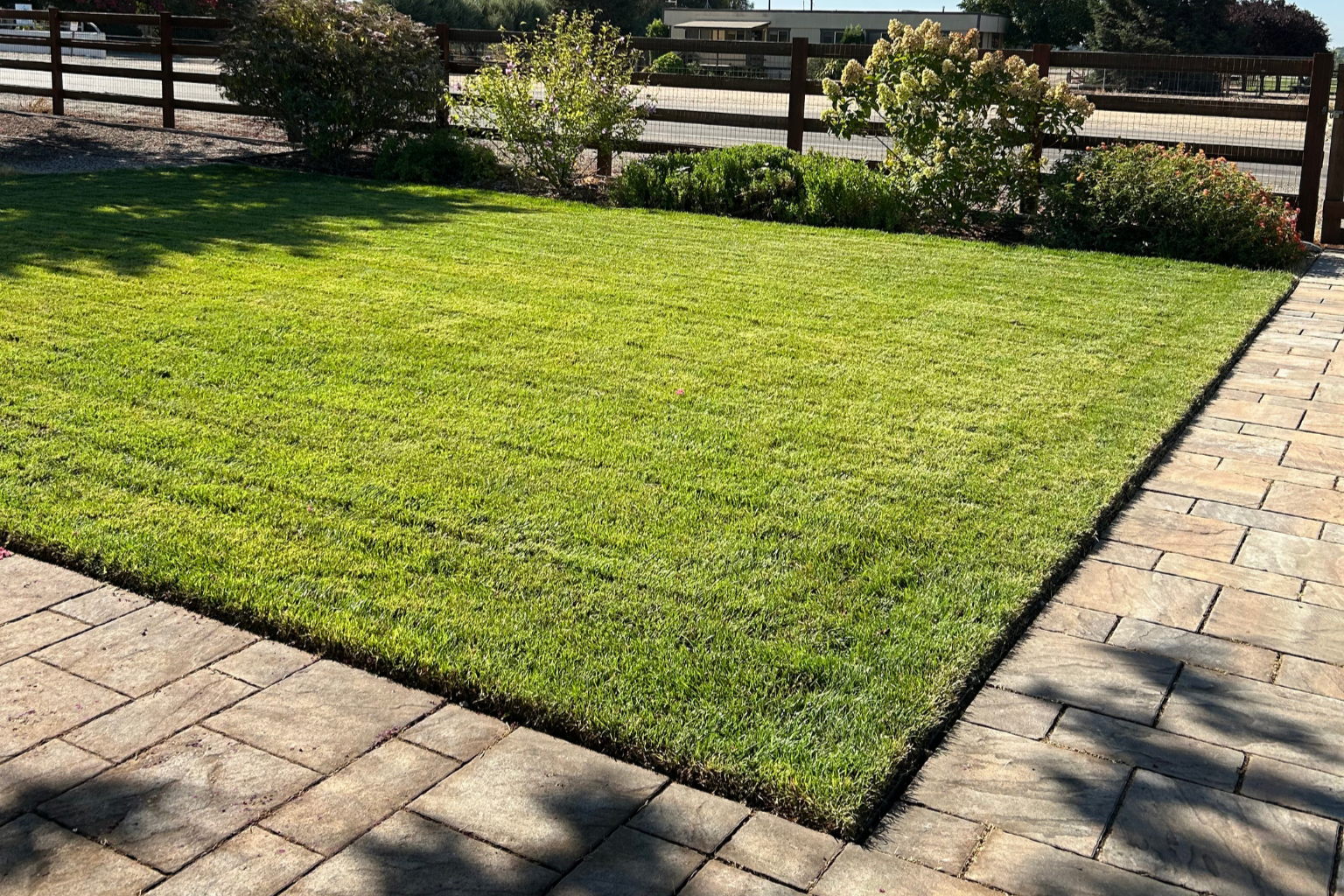
The 1/3 Rule: The Most Important Lawn Care Principle
One of the most important rules in lawn service is the “1/3 rule”:
👉 Never cut more than one-third of the grass height at one time.
Cutting too much at once can:
Stress your lawn
Damage root systems
Lead to brown patches
Following this rule ensures healthier, stronger grass and better long-term yard care results.
Mowing Frequency by Season
Spring (Active Growth)
During spring, grass grows quickly and may need mowing every:
5–7 days
This is a critical time for strong lawn care practices, as your lawn is recovering from winter and preparing for summer growth.
Summer (Heat Stress Period)
In hot conditions, grass may slow down, but still needs regular maintenance:
Every 7–10 days
Proper watering and mowing are essential parts of summer lawn service to prevent stress and burnout.
Fall (Recovery & Strength Building)
Fall is one of the best times for yard care:
Every 7–10 days
Your lawn is storing energy for winter, so consistent mowing supports stronger roots and healthier grass.
Winter (Dormant Season)
In many regions, grass slows or goes dormant:
Minimal mowing or none at all
During this time, lawn care focuses more on:
Cleanup
Preparation
Protecting soil health
Signs You’re Not Mowing Enough
If you’re searching for lawn care near me because your yard doesn’t look right, it may be a mowing issue.
Signs include:
Grass looks uneven or overgrown
Clumping after mowing
Yellowing or thinning patches
Weeds spreading quickly
Regular mowing is often the simplest fix—and a key part of the best lawn service practices.
Signs You’re Mowing Too Often
Over-mowing can also damage your lawn.
Watch for:
Scalp marks (cut too short)
Dry or stressed grass
Weak growth
Increased weed growth
Good lawn care is about balance—not cutting too aggressively.
Why Consistency Matters
Consistent mowing helps:
Strengthen root systems
Improve lawn density
Prevent weed growth
Enhance curb appeal
This is why many homeowners choose a professional lawn service—to ensure their yard care is handled properly year-round.
Professional Lawn Care Makes a Difference
If maintaining the right mowing schedule feels overwhelming, hiring a professional lawn service can help.
At Noble Outdoor Services, we provide reliable lawn care and yard care solutions designed to keep your lawn healthy, clean, and looking its best.
When you’re looking for the best lawn service, consistency and attention to detail matter—and that’s exactly what we deliver.
Final Thoughts
So, how often should you mow your lawn?
👉 The answer depends on growth, season, and grass type—but in general, weekly mowing is the foundation of proper lawn care.
By following the right schedule and avoiding common mistakes, you can maintain a healthy, professional-looking yard all year long.
If you’re looking for dependable lawn service or high-quality yard care, Noble Outdoor Services is here to help.